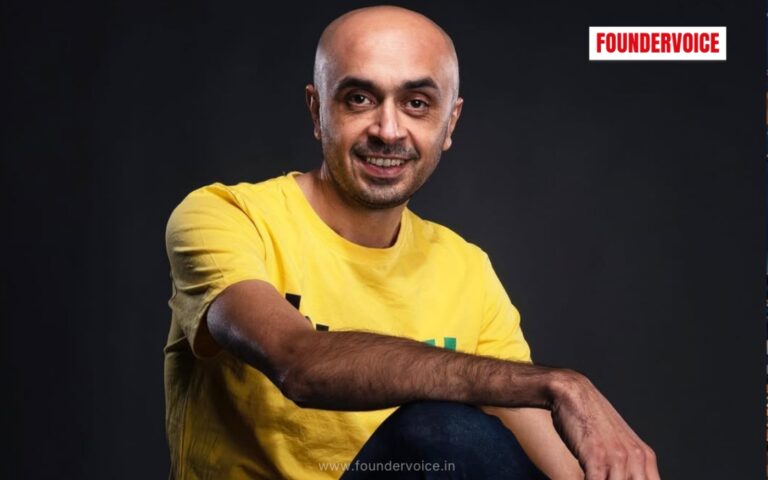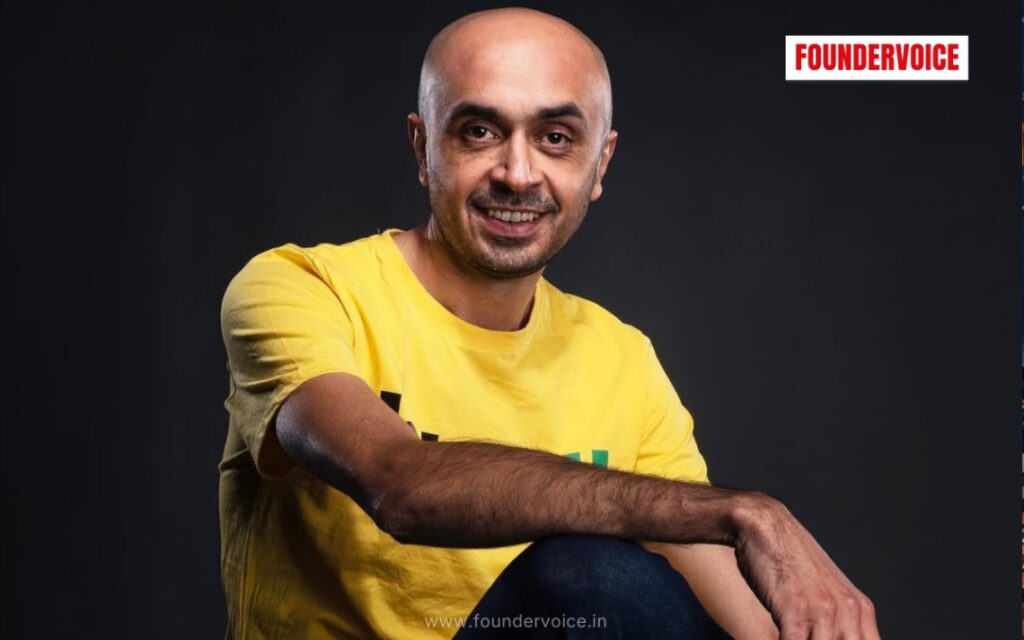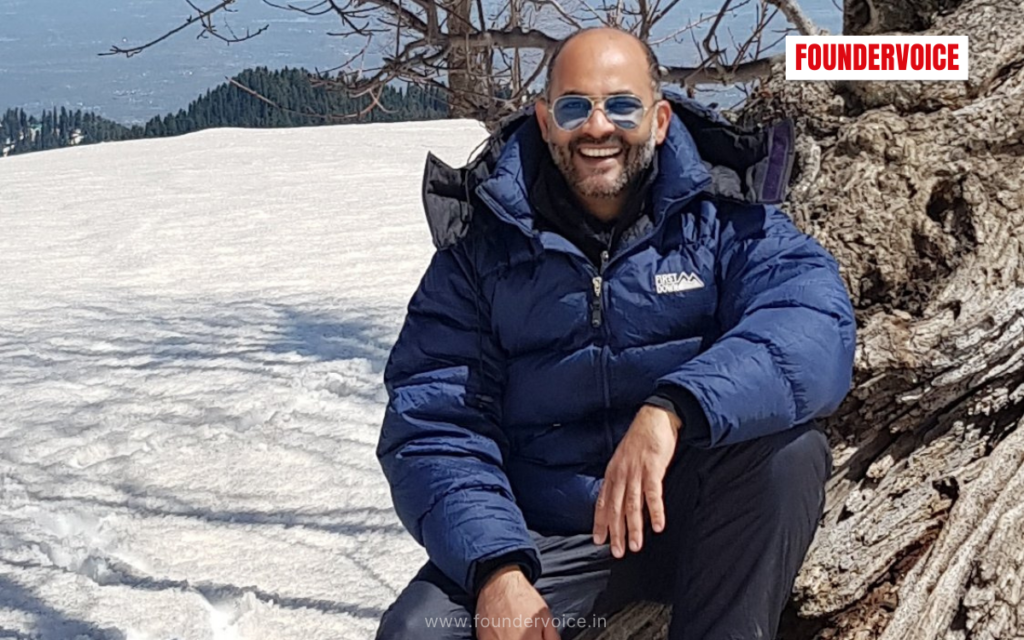

Abhay Hanjura’s story is an inspiring story. Licious, the company he co-founded, was launched in October 2015 in Bengaluru, India. As of 2025, Licious is a publicly listed D2C meat & seafood brand valued at approximately $700 million, with a customer base across 100+ cities. The company solves the problem of unreliable meat sourcing and poor hygiene standards by offering ready-to-cook, fully traceable, and species-specific products backed by integrated cold chain operations. Licious turns everyday protein purchases into safe, convenient, and chef-ready meals for modern Indian households.
Basic Details
| Origin Country | India |
| Legal Name | Delightful Gourmet Pvt Ltd |
| Brand | Licious |
| Founder | Abhay Hanjura |
| Co-Founder | Vivek Gupta |
| CEO | Vivek Gupta |
| Industry | FOOD AND BEVERAGE |
| Website | www.licious.in |
| Year of Founding | October 2015 |
| Valuation | ~$700 Million (2025 estimate) |
| Employees | 3,000+ |
| Headquarters | Bengaluru, Karnataka, India |
| Status | Active |
FOUNDER OVERVIEW – ABHAY HANJURA
➤ Net Worth (2025)
As of 2025, Abhay Hanjura’s estimated net worth is approximately $40–60 million. His wealth comes primarily from his stake in Licious, which has grown into India’s top premium meat brand and is now publicly listed.
➤ Ownership in Company
While exact equity figures are private, Abhay retains a significant founder’s stake and remains a key decision-maker and public face of the brand, particularly in areas like sourcing, culture, and consumer engagement.
➤ Ventures Founded
Licious (2015): His first and flagship venture.
Prior to Licious, Abhay worked in the insurance industry, but his passion for food and a gap in India’s meat retail standards inspired his pivot to entrepreneurship.
➤ Investments
Abhay is an active angel investor and mentor, especially to food-tech and consumer brands in India. He often backs early-stage teams focused on product integrity and customer delight.
➤ Recognition & Awards
- Forbes India 40 Under 40 (2020)
- ET Startup Awards – Bootstrap Champ (2019)
- Featured on CNBC Young Turks and YourStory Tech30
- Speaker at global food innovation and D2C leadership forums
PERSONAL STORY: ABHAY HANJURA
Abhay Hanjura was born in 1985 in Srinagar, Kashmir, into a middle-class Kashmiri Pandit family. After relocating to Jammu post the insurgency, he grew up in a household where food was central to identity and community. His father ran a modest business, and Abhay learned early lessons in resourcefulness, hospitality, and cultural pride.
He graduated in Biotechnology and went on to work in the insurance sector, including a successful stint at India Insure. But he remained deeply connected to food, especially the experience of buying fresh meat—an often unpleasant, inconsistent, and unregulated experience in Indian cities.
The turning point came when he met Vivek Gupta, a chartered accountant with a similar appetite for disruption. In 2015, they co-founded Licious with a bold idea: deliver fresh, hygienic, chef-grade meat directly to Indian households. Despite ridicule (“Who buys meat online?”), they built a cold chain system, own processing units, and a vertically integrated supply chain.
Abhay personally took part in meat cut trials, customer demos, and supplier meetings. The early days were bootstrapped and chaotic—struggles with logistics, customer trust, and scaling perishable operations were common. But his conviction never wavered. Known for his charisma and storytelling, Abhay became the cultural face of Licious—appealing to foodies, families, and first-time meat buyers alike.
Over the years, he helped Licious grow into a nationwide brand, known for its freshness, traceability, and quality. He believes in building trust before scale, experience before margins. His journey is a rare blend of passion, professionalism, and persistence—and a benchmark for India’s new wave of purpose-led founders.
FOUNDING STORY: LICIOUS
Inspiration Behind the Idea
The idea for Licious was born from a common frustration both Abhay Hanjura and Vivek Gupta shared: the lack of reliable, hygienic, and good-quality meat options in Indian cities. Traditional butchers offered inconsistent cuts, poor packaging, and questionable hygiene—especially for urban consumers who demanded convenience and quality. Abhay and Vivek envisioned a brand that could bring trust and premium experience to the meat-buying journey—just like top-tier e-commerce platforms were doing for fashion and electronics.
Founding Team
Abhay Hanjura and Vivek Gupta brought powerful synergy—Abhay’s passion for food and deep consumer instincts paired with Vivek’s operational and financial expertise. While Vivek handled backend processes and scale, Abhay became the cultural architect and front-facing champion of Licious. Their shared belief in consumer-first execution formed the core of their company’s DNA.
Starting Capital
The company was bootstrapped initially, with early investments from the founders’ personal savings. After proving product-market fit in Bengaluru with a handful of loyal customers and a cloud-based ordering model, they raised their first funding round from Mayfield and 3one4 Capital. The funds were used to build cold chain storage, packaging units, and tech integrations.
Early Challenges
Licious operated in one of the most difficult categories—perishables with tight shelf life and supply chain complexity. Building in-house sourcing, warehousing, processing, cold chain logistics, and a delivery network—without compromising on freshness—was capital intensive. They also faced cultural taboos and regulatory constraints around meat, which complicated expansion.
On the consumer side, winning trust was the hardest. Indians were skeptical of buying meat online. Delays, leaks, temperature failures, and occasional spoilage threatened retention. But the founders focused on product excellence and direct feedback, even delivering orders themselves in early days.
Breakthrough
Licious found its breakthrough when word-of-mouth from early customers began spreading. Their “chef-style” cuts, vacuum-sealed packs, and ready-to-cook options like kebabs and curries created a new category of convenience-driven meat lovers. Social media love and consistent branding helped it become more than a service—it became a food experience.
Expansion into new cities, investment in content, and launch of private-label products like spice mixes and marinades further boosted brand stickiness. Licious grew from a few orders a day to over 1 million orders a month. By 2021, it became India’s first D2C unicorn in the meat category—a milestone once thought impossible.
As of 2025, Licious is a household name in Indian food-tech. With a presence in 100+ cities, a public listing, and over 3,000 employees, the company stands as a pioneer in premium food delivery. For Abhay, Licious isn’t just a startup—it’s his dream of dignifying how India eats meat.
COMPANY PROFILE: LICIOUS
Licious is India’s leading D2C (Direct-to-Consumer) fresh meat and seafood brand, redefining how Indian consumers buy and consume non-vegetarian food. Founded in 2015 by Abhay Hanjura and Vivek Gupta, it has pioneered a full-stack farm-to-fork supply chain model, ensuring unmatched quality, freshness, and safety. Licious is the first Indian meat brand to be built on strong branding, digital infrastructure, and operational control—converting a traditionally unorganized sector into a premium experience-led category.
Area Served
Licious currently operates in over 100 cities across India, with a strong presence in metros like Bengaluru, Delhi NCR, Mumbai, Hyderabad, Chennai, and Kolkata. Its expansion strategy includes deep penetration into Tier-1 and select Tier-2 cities, supported by regional distribution centers and in-house processing hubs. It also began piloting exports in 2024 to the UAE, signaling early global ambition.
Vision & Mission
Vision: To revolutionize the protein consumption experience in India and beyond, by making world-class meat and seafood easily accessible, trustworthy, and delightful.
Mission: To bring freshness, flavor, and integrity to every plate by building a fully integrated, hygienic, and tech-enabled protein platform rooted in customer obsession.
Services / Products Offered
- Licious offers a broad and carefully curated range of fresh and ready-to-cook non-vegetarian items, with an obsessive focus on quality, convenience, and traceability.
- Fresh Meats:
- Antibiotic-free chicken, free-range mutton, and ethically sourced seafood
- Multiple cut styles for each item (curry cut, biryani cut, leg piece, boneless, etc.)
- Delivered fresh (never frozen), vacuum-sealed, and temperature-controlled
- Ready-to-Cook Products:
- Marinated meat skewers, kebabs, tikkas, wings, and regional flavors
- Instant masala mixes and gourmet recipes developed by in-house chefs
- Designed for working professionals and home cooks looking for 10–15-minute preparation time
- Cold Cuts & Deli Meats:
- Smoked chicken, chicken salami, pepper sausages, ham, and breakfast meats
- Increasingly popular among health-conscious and modern millennial households
- Eggs, Combos & Meal Kits:
- High-protein egg varieties, bundled meat combos, and occasion-based meal kits (e.g., Sunday Grill, Keto Combo)
- Digital Services via App & Website:
Business Model
Licious operates a vertically integrated D2C model, owning the entire value chain from sourcing livestock and fish to processing, quality control, cold storage, packaging, and final mile delivery. This gives them control over:
- Hygiene and freshness
- Inventory and wastage management
- Customization and traceability
- Customer data and feedback loops
It runs a combination of central and local processing units, with strict quality control SOPs, including 150+ quality checks per batch.
Revenue Model
- D2C Product Sales:
- Direct online orders via website and mobile app make up the bulk of Licious’ revenue. Orders are placed on-demand or via subscription, with an AOV (average order value) of ₹500–₹900.
- Private Label Margins:
- Licious owns its product brands—marinades, sausages, and spice blends—resulting in better margins and brand recall.
- Subscriptions & Loyalty Programs:
- Products are offered through Licious Pass, giving members delivery benefits and early access to new product drops.
- Bundled Combos & Meal Upgrades:
- Cross-selling of eggs, masalas, and ready-to-cook kits adds ₹150–₹300 per basket on average.
- Retail & Institutional Sales:
- Select SKUs are now sold in gourmet food stores and to HORECA (Hotels, Restaurants, Cafés) clients, expanding offline channels.
Market Landscape & Competitors
Licious leads India’s online meat segment and competes with players like FreshToHome, ZappFresh, TenderCuts, and regional butcher networks. Its unmatched cold chain, proprietary cuts, and brand-led model give it significant customer retention and premium positioning.
USP (Unique Selling Proposition)
- Farm-to-fork model with total control over hygiene and logistics
- “Chilled, never frozen” product promise
- Chef-style cuts and ready-to-cook innovations
- Strong focus on customer feedback, app experience, and delivery precision
- First Indian meat brand to build consumer trust through branding, packaging, and repeatable quality
Growth Highlights
- First meat D2C unicorn in India (2021)
- Over 2 million orders/month as of 2025
- Operates 12+ processing units and 60+ dark stores
- 30% YoY revenue growth for 3 consecutive years
- IPO launched in early 2025 with strong retail investor response
Funding & Investment History
- Licious raised over $300 million across rounds from marquee investors including:
- Temasek, Multiples PE, 3one4 Capital, Mayfield, Bertelsmann, Vertex Ventures, and Brunei Investment Agency
The funding fueled infrastructure development, tech, R&D, and city-level expansions.
Awards & Recognition (Company)
- ET Startup Awards – FoodTech Innovator (2022)
- CII Supply Chain Excellence Award – Cold Chain (2021)
- LinkedIn Top Startups India (2020, 2021, 2023)
- CNBC Young Business Icons – Founders’ Edition (2021)
- Named among India’s Top 5 D2C Brands by Forbes (2023)
Team Size & Culture
With 3,000+ employees, Licious combines culinary passion with operational excellence.
Future Plans
- Global expansion starting with UAE and Southeast Asia
- Launch of Licious Labs, an in-house R&D innovation wing for high-protein, plant-based, and functional food lines
- Retail partnerships with premium grocery chains
- Investing in AI-led freshness tracking, dynamic pricing, and kitchen-based personalization
CONCLUSION
“We didn’t just want to sell meat—we wanted to change how India experienced meat. With Licious, we built not a product, but a category.”
—Abhay Hanjura, at the India FoodTech Summit (2023)
Abhay Hanjura’s journey with Licious is a rare tale of building trust in a taboo category and turning it into a premium, digital-first brand. From navigating cold chains and regulatory gray zones to winning customer loyalty through freshness and flavor, he redefined the Indian protein space. Licious isn’t just about meat—it’s about elevating a daily purchase into a gourmet experience. Abhay’s belief in customer-first design, quality without compromise, and category creation has inspired a generation of food-tech entrepreneurs. As Licious goes global, its founding vision remains clear: dignity in sourcing, delight in delivery, and leadership in everyday eating.